
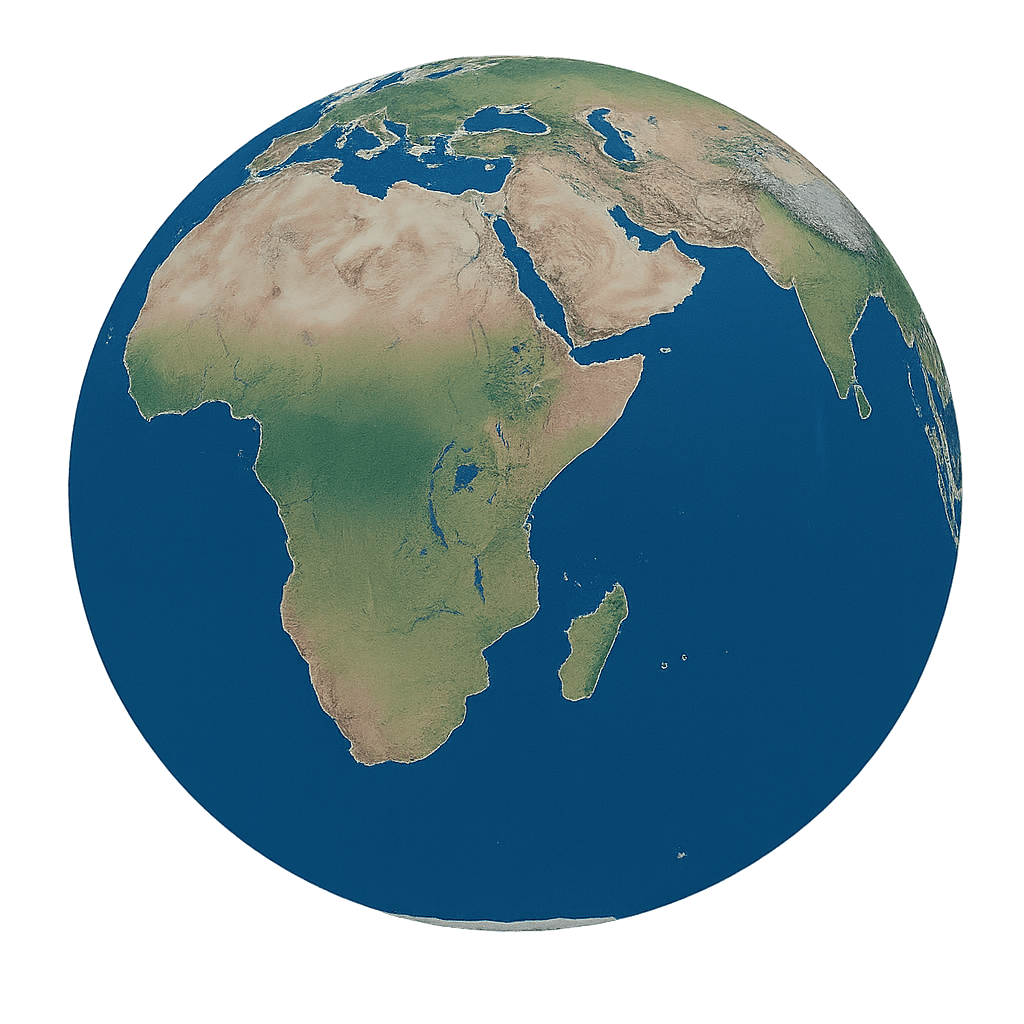
Venezuela Earthquake Response: The death toll from twin quakes in northern Venezuela climbed to at least 589, with 2,980 injured, as acting President Delcy Rodríguez said the numbers will keep rising and rescue teams race through rubble in La Guaira and Caracas. Aftershocks & Public Safety: A new 4.4 quake struck La Guaira early Friday, triggering fresh panic and disrupting ongoing debris removal, with more than 200 aftershocks reported. Health System Pressure: Health officials and the WHO warned the first 72 hours are decisive for finding survivors, while hospitals face mass-casualty needs including trauma care for crush and head injuries. International Aid Mobilization: The UN says 25 search-and-rescue teams from 17 countries (about 1,000 personnel) are being deployed, with Chile among the contributors, alongside medical support and equipment. Donations & Logistics: Verified fundraising efforts emphasize cash donations as the fastest way to deliver food, water, medicine, and shelter amid transport bottlenecks. Chile Link: Chile is explicitly named among the countries sending teams to support the response.
AGP Executive Report
Your go-to archive of top headlines, summarized for quick and easy reading.
Note: AI summary from news headlines; neutral sources weighted more to help reduce bias in the result. Feedback is welcome. Please let us know if you have any comments or suggestions about the AGP Executive Report.
Venezuela Earthquakes Response: Back-to-back quakes (7.2 and 7.5) have left at least 235 dead and 4,300+ injured, with thousands still missing as rescuers dig through collapsed buildings in Caracas and La Guaira. Emergency Health Impact: Venezuela’s health system is treating a surge of trauma patients around the clock, while hospitals and infrastructure were damaged and some facilities evacuated. International Aid Mobilization: The US is sending warships, transport planes, helicopters and $150 million in aid; UN-certified rescue teams are en route, alongside support from Spain, France, Germany, Switzerland and the Red Cross. Chile-Relevant Health Angle: The disaster highlights how fragile health services and emergency capacity can be when infrastructure is hit—an urgent reminder for Chile’s own preparedness planning. Climate & Health Context: Separate coverage warns Latin America is entering a more dangerous climate “new normal,” with record heat and extreme weather raising risks for public health and food security.
Venezuela Earthquake Response: Twin quakes (7.2 and 7.5) struck near Caracas, killing at least 164 and injuring 971, with La Guaira declared a “disaster zone” as rescue teams work through collapsed buildings and aftershocks; Chile’s President Kast also pledged solidarity and aid. Public Health in Disasters: Authorities asked health professionals to report to hospitals, while the main airport was damaged and closed—raising pressure on emergency care, triage, and access to affected areas. International Aid Mobilization: The U.S. said it is deploying search-and-rescue teams and medical/humanitarian supplies, with other countries offering personnel and equipment as the death toll is expected to rise. Chile & Health-Adjacent Environment: A new report highlights growing climate-related legal fights over datacentres and AI, including a Chile case that halted a Cerrillos project over water and climate impacts.
Earthquake Response in the Region: Venezuela’s acting president Delcy Rodríguez says twin quakes (7.2 and 7.5) killed at least 32 people and injured about 700, with the toll expected to rise as rescuers search collapsed buildings; the state of emergency was declared, the main airport closed, and health workers were urged to report to hospitals, while schools and services were disrupted. Surrogacy Moratorium Push: Italy and Chile helped launch a UN Human Rights Council effort calling for a global moratorium on surrogacy as a step toward a binding ban, citing medical risks, exploitation concerns, and long-term impacts on children’s wellbeing. Hantavirus Update: The CDC ended its response to a cruise-ship hantavirus outbreak linked to the Andes virus, reporting no sustained spread in the US and that monitoring has concluded with no remaining people under observation. Animal Health Alert (H5N1): A veterinary expert warns that deadly bird flu (H5N1) can spread beyond poultry to backyard animals, including cats, urging pet owners to stay alert. Chile-Linked Health/Wellness Angle: The surrogacy campaign includes Chile as a co-host, keeping the country in the spotlight for reproductive health policy debates.

AI for Conservation: Researchers are using AI to speed up bird surveys, turning months of audio and weeks of images into faster answers for protecting habitats. Surrogacy Moratorium Push: Italy, Chile and other governments backed a UN Human Rights Council declaration calling for an international moratorium on surrogacy as a step toward abolition, citing ethical, medical and rights harms. Chile’s Salmon Spotlight: A UN FAO report says Chile remains the top Latin American aquaculture exporter and the leading salmon supplier to the U.S., with the sector hitting record global production. Hantavirus Update: The U.S. ended quarantine linked to a hantavirus outbreak on the MV Hondius, with no new cases reported. Stronger Hospital Data for Buyers: Global Health Intelligence released HospiRank 2026, ranking Latin America’s best-equipped hospitals using verified facility records. Healthy Aging Lens: A new piece highlights how societies must tackle ageism as Latin America rapidly grows older. Strength Training Benefits: A large study links about 1.5–2 hours weekly of strength training with lower risk of death, including heart and neurological causes. Chile in Global Trade: India is looking to deepen ties with Chile and Peru to secure critical minerals and supply-chain resilience. Marine Pollution Warning: New research flags floating single-use plastic as a growing threat to coastal ecosystems like Chesapeake Bay.
Strength Training & Longevity: A large pooled analysis of 147,374 healthcare professionals links 90–119 minutes of weekly strength training with lower risk of death overall, heart disease, and neurological conditions like Alzheimer’s/Parkinson’s. Clinical Care in Hidradenitis Suppurativa: A report highlights growing use of ultrasound to better detect and map HS lesions, especially where it’s not yet standard in guidelines. WHO Health Milestones: At the World Health Assembly, WHO recognized countries including Chile for leprosy elimination and others for malaria, HIV, and trans-fat elimination, while continuing talks on pathogen sharing for pandemic preparedness. Chile’s Animal Welfare: Universidad Austral de Chile bans forced swim tests after dialogue with PETA, adding momentum to cruelty-free science. Food & Health Policy: A Chile-to-global food policy package is tied to lower childhood obesity, while Ocean Spray names a new CEO emphasizing “taste and health benefits.” Global Health & Access: Coverage also notes uncertainty for Haitian TPS recipients in the U.S., with major implications for families’ stability and care access.
Ultrasound in Hidradenitis Suppurativa: A growing number of HS specialists say ultrasound can reveal tunnels and subclinical lesions that routine exams miss, helping map disease before surgery—though it’s still not fully standard in clinical guidelines. Global Health Milestones: At the World Health Assembly, WHO highlighted major elimination wins, including Chile’s leprosy elimination, plus awards for tobacco control and progress on pathogen-sharing talks. Surrogacy Moratorium Push: Italy and Chile spearheaded a declaration calling for an international moratorium on surrogacy, citing medical risks and human rights harms for women and children. Hantavirus Outbreak Under Review: Researchers are re-examining whether cruise-ship Andes hantavirus cases truly traced back to a landfill in Ushuaia, with new sequencing comparisons pointing to a border region and raising quarantine concerns. Chile Health & Wellness Angle: Chile also appears in the WHO elimination spotlight, while local research and policy debates continue to intersect with global health priorities.
WHO Update: The 79th World Health Assembly highlighted major public health wins, including Chile’s leprosy elimination and awards for tobacco control, while member states continued talks on the Pandemic Agreement’s Pathogen Access and Benefit Sharing system. Public Health & Ethics: Chile and Italy spearheaded a political declaration calling for an international moratorium on surrogacy, citing medical risks, coercion, exploitation, and long-term child wellbeing concerns. Infectious Disease Watch: Research is re-examining a cruise-ship Andes hantavirus outbreak, with scientists questioning whether infections truly originated from a landfill in Ushuaia and warning that incubation and quarantine guidance may need adjustment. Animal Welfare in Research: Austral University of Chile formally banned the forced swim test after criticism over cruelty and weak scientific validity, marking another step in Latin America’s shift away from outdated animal experiments. Health Innovation: Genprex received a patent notice covering Reqorsa gene therapy combined with PD-1/PD-L1 antibodies for lung cancer, supporting ongoing clinical trial work. Local Health Policy: A Chilean court recognized universal jurisdiction over Gaza war crimes, with local advocates calling for accountability.
Animal Welfare in Research: Universidad Austral de Chile banned the forced swim test after criticism over cruelty and weak scientific validity, marking a growing regional shift away from stressful animal experiments. Infectious Disease Watch: New analysis of the Andes hantavirus cruise-ship outbreak questions earlier assumptions about where infections began, with researchers pointing to a Chile–Argentina border region and raising practical implications for isolation and quarantine. Cancer Treatment Update: Genprex received a Canadian patent allowance for combining its Reqorsa® gene therapy with PD-1 or PD-L1 antibodies to treat lung cancers, supporting its ongoing Acclaim-3 trial strategy. Public Health & Food Marketing: India faces renewed pressure to curb advertising of HFSS ultra-processed foods to children, as critics argue current rules aren’t stopping misleading “health” promotion. Local Health Context: In Chile, coverage also highlights broader wellness-adjacent policy debates, including a push for a healthier aging agenda and ongoing attention to nutrition and prevention. Workforce Well-Being: Immigration policy changes are reported to be straining mental health and staffing stability in Canada’s Banff hospitality sector, underscoring how health and social policy connect.
Bone Health & Nutrition: Experts highlight foods that support stronger bones—especially for women during and after menopause—by focusing on calcium, vitamin D, magnesium, protein, and vitamin K. Public Health Policy: India faces renewed pressure to curb junk food advertising aimed at children and young people, as ultra-processed foods keep flooding digital platforms without clear nutrition warnings. Chile Health & Care Access: A Chilean court ruling recognizes universal jurisdiction in a Gaza war-crimes case, with the Hind Rajab Foundation calling it a step toward accountability for attacks that devastated medical care. Sports Medicine Spotlight: Universidad de Chile coach Fernando Gago underwent emergency heart surgery after an acute heart attack, raising attention on warning signs and rapid response in cardiovascular events. Workplace & Health Tech: Telepathy AI raises funding to scale an AI doctor for the region, pointing to growing investment in digital health services. Community & Wellbeing: A Rotary Club in Long Neck awarded scholarships to students pursuing health sciences and biology, linking education with future health careers.
Universal Health & Justice: Chile’s Santiago Court of Appeal recognized the country’s authority to apply universal jurisdiction to alleged Gaza war crimes, after the Hind Rajab Foundation filed a complaint tied to the alleged destruction of Al-Shifa Hospital—an accountability step that HRF says could help crack the “wall of impunity.” Health Tech Investment: Colombia’s Telepathy AI closed a $33M Series A led by a16z, aiming to support Latin American doctors with real-time clinical note drafting and decision support—reportedly helping clinicians reclaim hours spent on documentation. Sports Health Alert: Universidad de Chile coach Fernando Gago suffered an acute heart attack and underwent a procedure for coronary blockage; he’s expected to recover with medical follow-up. Public Health Policy Watch: A study on Alberta’s “dual practice” model questions whether allowing approved doctors to work in both public and private systems will truly reduce surgical wait times. Nutrition & Wellness: Experts highlight foods for stronger bones, emphasizing calcium- and vitamin D-rich options plus key nutrients for bone maintenance. Community & Prevention: A UN report warns digital surveillance can chill civic participation, undermining the ability to organize and sustain rights movements.
Childhood Obesity Policy: A new analysis in The Lancet links Chile’s 2016 Food Labelling and Advertising Law (front-of-package warnings, marketing limits, and school food rules) to a modest but meaningful drop in excess weight among children aged 6–18 months, supporting the idea that combined measures work better than single interventions. Universal Health Accountability: Chile’s Santiago Court of Appeal recognized the country’s authority to apply universal jurisdiction in a Gaza war-crimes case, after a complaint by the Hind Rajab Foundation alleging harm to medical infrastructure at Al-Shifa Hospital—an issue that directly touches the protection of health services in conflict. Local Health System Debate: Canada’s “dual practice” model in Alberta—allowing some doctors to work in both public and private systems—faces scrutiny over whether it will truly reduce surgical wait times, with researchers warning implementation may not match promises. Sports Health Spotlight: Universidad de Chile coach Fernando Gago suffered an acute heart attack and underwent a procedure for coronary blockage, while Canada’s Ismael Kone is out of the World Cup after successful surgery for a fractured leg. Digital Health Investment: Colombia’s Telepathy AI closed a Series A to scale an AI clinical assistant for doctors, aiming to cut documentation time and support medical decision-making across Latin America.
Universal Justice in Chile: The Hind Rajab Foundation hailed a Santiago Court of Appeal ruling that recognizes Chile’s authority to apply universal jurisdiction to alleged Gaza war crimes, after a complaint tied to the alleged destruction of Al-Shifa Hospital. Public Health Policy Impact: A new report links Chile’s coordinated food rules—front-of-package warning labels, marketing limits, and school food standards—to a modest but meaningful drop in excess weight among children aged 6–18 months after the 2016 Food Labelling and Advertising Law. Digital Health Investment: Telepathy AI, a Latin American clinical assistant for doctors, closed a Series A round to expand its AI “doctor” support across the region, aiming to cut documentation burden and improve care quality. Health System Wait Times Debate: Alberta’s planned “dual practice” model would let approved doctors work in both public and private systems for selected procedures, with researchers questioning whether it will truly reduce queues. Bone Health Nutrition: Experts highlight diet strategies for stronger bones, emphasizing calcium- and vitamin D-rich foods plus protein and key minerals. Sports & Care: Canada’s Ismael Kone will miss the rest of the World Cup after successful surgery for a lower-limb fracture.
Childhood Obesity Policy in Chile: A new study in The Lancet links Chile’s 2016 Food Labelling and Advertising Law—front-of-package warning labels, marketing limits, and school food rules—to about a 2% lower chance of excess weight in babies aged 6–18 months, arguing that combined measures work better than single tactics. Bone Health Nutrition: Doctors and dietitians highlight menopause-era bone protection through nutrient-dense foods rich in calcium, vitamin D, magnesium, phosphorus, vitamin K, protein, and polyphenols, with cottage cheese among the recommended options. Digital Surveillance & Health of Democracy: A UN report warns that digital surveillance creates “chilling effects” that can destabilize civic life—an indirect but serious public health concern for communities and rights. Health Tech Investment: Telepathy AI, a Colombian clinical assistant for drafting medical histories and decision support, closed a $33M Series A led by a16z to scale its AI doctor for the region. Food Marketing to Kids (UPF debate): Campaigners argue the next ultra-processed foods fight may focus less on ingredients and more on how brands use packaging, influencers, and digital promotions to shape children’s preferences.
Childhood Obesity in Chile: A new study links Chile’s coordinated food policies—front-of-package warning labels, marketing limits, and school food rules—to a modest drop in excess weight among children aged 6–18 months after the 2016 Food Labelling and Advertising Law. School Feeding Continuity: Chile’s Education Ministry and Junaeb leadership met with senators and food worker federations, confirming ongoing school and preschool feeding programs while setting up a joint workspace to protect workers’ labor, safety, and health conditions. Bird Flu Trade Rules (Chile–Philippines): The Philippines adopted a regionalization agreement with Chile, easing poultry imports from Chilean disease-free zones while keeping country-wide restrictions during outbreaks of highly pathogenic avian influenza. Healthy Aging Agenda (Chile): Coverage argues Chile’s new president must move quickly on a healthy aging agenda, focusing on how policy can improve access to services that support longer, healthier lives. Bone Health Nutrition: A roundup highlights diet strategies for stronger bones, emphasizing calcium, vitamin D, protein, and key minerals for women during and after menopause. Public Health & Food Safety (Chile-relevant): Separate global items include a cooking-oil donation to hospitals after seizure and inspection clearance, underscoring how food safety oversight can directly support health services.
UPF Marketing to Kids: Campaigners say the next ultra-processed foods fight may hinge less on ingredients and more on packaging, branding, influencers, and digital promotions that shape children’s preferences—an approach compared to tobacco’s playbook. Bird Flu Trade Rules: Chile’s bird-flu regionalization is being recognized by the Philippines, allowing poultry imports from Chilean disease-free zones (with strict documentation and compliance), easing a blanket ban during outbreaks. Healthy Aging Agenda: Chile’s new president is urged to move fast on a healthy aging agenda, with a focus on improving access to services that help people live longer and healthier lives. Child Obesity Prevention: New reporting highlights how food warning labels and restricted sales can help reduce childhood obesity, adding to the push for stronger prevention policies. Conversion Therapy Crackdown: The Netherlands passed a law criminalizing conversion therapy, adding momentum to global efforts to protect LGBTQ+ youth from harmful “conversion” practices. Fisheries Transparency: Fifteen countries adopted the Mombasa Declaration to boost fisheries transparency and fight illegal fishing—an issue tied to public health and food security for coastal communities.
Air Quality Crisis: Santiago ranks among the world’s most polluted cities, with a new “environmental pre-emergency” declared this week; experts warn PM2.5 can penetrate deep into the lungs and is linked to asthma, cardiovascular disease, strokes, and premature deaths. Public Health & Tech: New research on AI in journalism finds that requiring human review of all AI content boosts credibility and selection by audiences, while disclosure and other AI policy details shape trust. Infectious Disease Watch: A drug-resistant fungal infection spreading from Brazil to cats, dogs, and people has now reached multiple South American countries including Chile, raising concerns about future spread. Healthcare Innovation in LatAm: Telepatia, an AI clinical assistant backed by a16z, says it aims to reach half of Latin America’s doctors by 2027 after serving millions of patients across five countries. Wellness & Nutrition: Kiwifruit is highlighted as a fiber-rich, nutrient-dense food, with evidence pointing to benefits for constipation and IBS-C. Policy & Rights: The Netherlands passed a law criminalizing conversion therapy, with penalties for intrusive practices aimed at changing sexual orientation or gender identity.
Climate & Public Health: A Rockefeller-backed study says climate support rises when messages focus on pollution, health, household costs, energy security, and protecting families—while “net zero” and harsher language underperform. LGBTQ+ Health Policy: The Netherlands criminalized conversion therapy, with fines and possible jail time for practices aimed at changing sexual orientation or gender identity. AI in Care: Telepatia, an AI clinical assistant for Latin America, raised $33M (a16z lead) to reach half of the region’s doctors by 2027, after reporting major clinician time savings in use at hospitals. Food & Nutrition Evidence: Chile-linked reporting highlights that food warning labels and advertising restrictions can reduce childhood obesity risk, with new data supporting combined policy approaches. Infectious Disease Watch: DR Congo’s World Cup preparations are affected by Ebola travel restrictions, with fans unable to attend despite the team’s cleared participation. Chile Trade & Food Safety: Vietnam and Chile are working to expand agricultural and food market access, including harmonizing health certification for meat and approving seafood exporters. Community Wellness: A youth race in South Africa partnered with DKMS Africa to boost awareness of blood cancers and stem cell donor registration.
Fisheries Transparency: Fifteen governments, including Chile, signed the Mombasa Declaration to push vessel registry modernization, publish fishing authorizations, and improve information-sharing to fight illegal, unreported and unregulated fishing. Public Health & Travel: A WHO-focused report highlights Andes hantavirus’s person-to-person spread risk and the urgent need to update isolation and quarantine guidance for hospitals. Infectious Disease in the Region: DR Congo’s Ebola outbreak is reshaping World Cup logistics, with U.S. travel restrictions and 21-day quarantine rules affecting fans and team preparations. Food Safety & Trade: Vietnam and Chile are working to remove barriers for fruit and meat trade, including harmonizing health certification and disease-control requirements. Local Nutrition Policy: Chilean data adds support for the effectiveness of food warning labels and advertising rules in reducing childhood obesity risk. Agriculture Update: Chile’s kiwifruit exports rose 16% year-on-year as growers report a strong 2026 season with improved maturity and storage performance. Research & Capacity Building: Pew announced 2026 biomedical fellows from Chile and other Latin American countries, funding two years of lab research in the U.S.
Food Policy Impact (Chile): A new study highlights that Chile’s front-of-pack warning labels plus school sales limits and child-focused marketing bans are linked to measurable drops in childhood overweight/obesity risk within 18 months of the 2016 rollout. Infectious Disease (Andes hantavirus): WHO convened experts on Andes hantavirus (ANDV) to close urgent gaps in isolation and quarantine guidance, noting ANDV’s rare person-to-person spread. Public Health & Access (DR Congo): DR Congo’s World Cup return is being shaped by an Ebola outbreak and U.S. travel restrictions, leaving many fans unable to attend despite the team’s cleared participation after isolation. Local Health & Research (Chile): Pew named a 2026 class of Latin American Biomedical Fellows, including Chilean postdocs, funded for two years in U.S. labs with a pathway to return and build research capacity. Nutrition & Wellness (Chile): Chilean kiwifruit exports rose 16% year-on-year, with growers citing improved maturity and storage performance—good news for supply of a nutrient-dense fruit. Health Science Explained (Rapamycin): A popular explainer revisits rapamycin’s anti-aging claims, tying its immune effects to mTOR and cellular cleanup processes like autophagy.
Sign up for:
Health Journal Chile
The daily local news briefing you can trust. Every day. Subscribe now.
Check Your Email!
We sent a one-time activation link to: .
Confirm it's you by clicking the email link.
If the email is not in your inbox, check spam or try again.
Welcome back!
is already signed up. Check your inbox for updates.